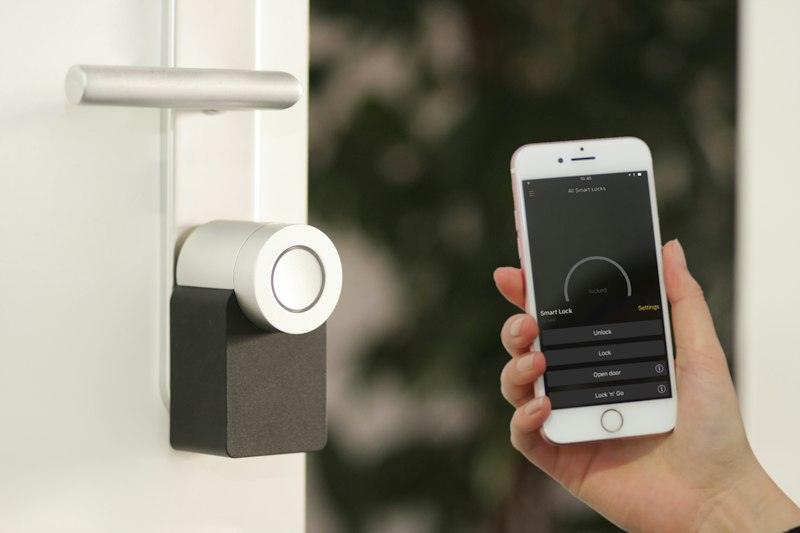
Smart home technology has never been more accessible or affordable. If you have been thinking about making your home smarter but do not know where to start, this guide is for you.
Why Go Smart?
A smart home is not just about cool gadgets. The real benefits are:
- Convenience — Control lights, locks, and thermostats from your phone or with your voice
- Energy savings — Smart thermostats and lights can reduce your utility bills
- Security — Monitor your home remotely with cameras and smart locks
- Automation — Set routines that happen automatically (lights on at sunset, coffee maker starts at 7 AM)
The Essential Starter Kit
You do not need to spend thousands to get started. Here are the five devices we recommend for beginners:
1. Smart Speaker (Your Hub)
A smart speaker is the central control point for your smart home. The best options in 2026:
- Amazon Echo (5th Gen) — Best for Alexa ecosystem, great sound
- Google Nest Audio — Best for Google Assistant, seamless integration with Android
- Apple HomePod Mini — Best for Apple users and HomeKit devices
Our pick: Amazon Echo, because it supports the widest range of smart home devices.
2. Smart Light Bulbs
Lighting is the easiest and most impactful smart home upgrade. Start with 2-3 bulbs in the rooms you use most.
- Philips Hue — The gold standard, with the best app and widest compatibility
- Wyze Bulb Color — Budget-friendly at under $10 per bulb
- LIFX — No hub required, Wi-Fi connected
Our pick: Wyze Bulb Color for beginners — affordable and easy to set up.
3. Smart Thermostat
A smart thermostat pays for itself through energy savings. It learns your schedule and adjusts automatically.
- Google Nest Thermostat — Easy to install, learns your habits
- Ecobee Smart Thermostat — Includes a room sensor for balanced temperature
- Amazon Smart Thermostat — Most affordable option
Our pick: Google Nest Thermostat for its learning capabilities and clean design.
4. Smart Plug
The most versatile smart home device. Plug in any "dumb" device (lamp, fan, coffee maker) and control it with your phone or voice.
- Amazon Smart Plug — Simple, reliable, works with Alexa
- TP-Link Kasa Smart Plug — Works with all major assistants
- Wyze Plug — Budget option at under $8
Our pick: TP-Link Kasa for its broad compatibility.
5. Video Doorbell
See who is at your door from anywhere. A smart doorbell is one of the most practical smart home devices.
- Ring Video Doorbell 4 — Most popular, great app, works with Alexa
- Google Nest Doorbell — Best integration with Google Home
- Eufy Video Doorbell — No subscription required for video storage
Our pick: Ring Video Doorbell 4 for its reliable performance and wide ecosystem.
Setting Up Your Smart Home
Step 1: Choose Your Ecosystem
Pick one voice assistant (Alexa, Google, or Siri) and stick with it. Mixing ecosystems leads to frustration.
Step 2: Start Small
Begin with one or two devices. Get comfortable before adding more. A smart speaker and a few smart bulbs is a great starting point.
Step 3: Set Up Routines
The real power of a smart home is automation:
- Morning routine: Lights turn on gradually, thermostat adjusts, news briefing plays
- Leaving home: Lights off, thermostat to eco mode, cameras arm
- Bedtime: Lights dim, doors lock, alarm sets
Step 4: Expand Over Time
Once you are comfortable, consider adding:
- Smart locks
- Robot vacuum
- Smart blinds
- Security cameras
Common Mistakes to Avoid
- Buying incompatible devices — Always check compatibility with your chosen ecosystem
- Overcomplicating things — Simple automations work best
- Ignoring Wi-Fi strength — Smart devices need a strong, stable connection. Consider a mesh router if you have dead spots
- Skipping security — Use strong passwords and enable two-factor authentication on all smart home accounts
Total Cost to Get Started
You can set up a basic smart home for under $200:
| Device | Approximate Cost |
|---|---|
| Smart speaker | $50 |
| Smart bulbs (3x) | $30 |
| Smart thermostat | $80 |
| Smart plug (2x) | $20 |
| Total | $180 |
A video doorbell adds another $100-150, but is optional for getting started.
The Bottom Line
Starting a smart home does not have to be expensive or complicated. Begin with a smart speaker and a few bulbs, learn the basics, and expand from there. The convenience and energy savings make it worth the investment.